
The Allure of Chance and Risk
The thrill of uncertainty lies at the heart of casino gambling. Players are often drawn to the excitement of taking risks, where the outcome is unpredictable. This element of chance stimulates the brain’s reward system, releasing dopamine when a player wins, reinforcing their behavior. The psychological pull of possibly winning big can overshadow the rational understanding of the odds, making the experience addictive and exhilarating. Many people are also drawn to the best online casino options available, highlighting the immense popularity of the gambling scene.

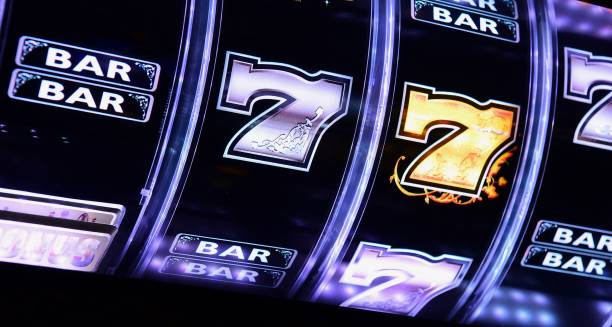
Moreover, the anticipation of playing a game, whether it be slot machines or card tables, creates a heightened state of arousal. This anticipation can lead to a state of flow, where players become completely immersed in the experience, often losing track of time and reality. This immersive experience fosters a psychological escape from everyday life, making gambling a popular choice for stress relief and entertainment.
Social Interaction and Community
Casinos provide a unique environment where social interactions flourish. The communal aspect of gambling is evident in games like poker or in lively slot machine areas where players can share their experiences. This social connectivity enhances the gambling experience, as individuals often feel a sense of belonging, camaraderie, and support, influencing their decision to gamble.
Furthermore, the competitive nature of gambling can heighten player engagement. Many individuals enjoy the thrill of competing against others, adding a layer of excitement beyond the individual risk of financial loss. The shared stories of wins and losses create bonds among gamblers, fostering a community that thrives on shared experiences and emotions.
The Role of Cognitive Biases
Cognitive biases play a critical role in how players perceive gambling outcomes. The illusion of control is one such bias where individuals believe they can influence the game’s outcome through skill or strategy, despite it being based on chance. This belief can lead to repeated gambling despite losses, as players think they can ‘turn it around’ with their strategies.
Additionally, the gambler’s fallacy further complicates a player’s understanding of luck. Many believe that past loss streaks predict future wins, leading to a continuation of gambling behavior. These cognitive distortions can create a cycle of chasing losses, where players keep returning in hopes of a breakthrough, often disregarding the statistical realities of their situation.
The Emotional Rollercoaster of Gambling
The emotional dynamics of gambling are profound, as players experience a range of feelings from euphoria to despair. Winning can produce euphoric highs, while losing can lead to significant lows. This emotional rollercoaster is addictive in nature, as individuals often chase the highs of winning, willing to endure the lows as part of the gambling experience.
Additionally, the transient nature of these emotions can lead to escapism, where players use gambling to cope with stress, anxiety, or depression. The temporary relief that comes from gambling can become a crutch, making it difficult for individuals to recognize when their behavior crosses the line into problematic gambling.
Enhancing Your Gambling Experience with Our Resources
Our website is dedicated to providing valuable resources for individuals exploring the world of casino gambling. We aim to enhance your understanding of gambling psychology, helping you make informed decisions. Through articles, tips, and expert insights, we ensure you are equipped with knowledge that can enrich your gaming experiences.
We strive to create a secure environment that fosters a better browsing experience. By understanding the underlying psychological aspects of gambling, you can enjoy the thrill while keeping it a fun and responsible activity. Join us in exploring the fascinating dynamics of casino gambling and discover how to navigate this intriguing landscape wisely.